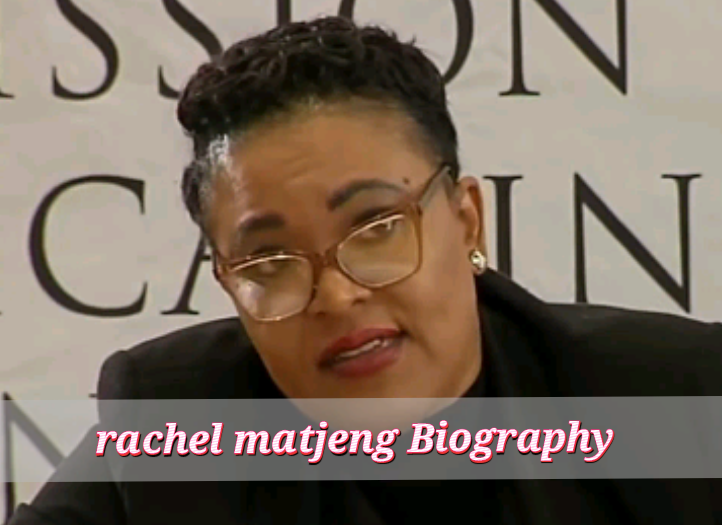
Rachel Matjeng Biography
Rachel Matjeng serves as a senior officer in the South African Police Service. She holds the rank of brigadier. Her role focuses on quality management in the forensic services division. This position places her in charge of ensuring standards in criminal records and crime scene management. Based in Pretoria, she works at 271 Francis Baard Street in Botshabelo Plaza West. Her career spans many years in law enforcement. She became known to the public through recent events linked to a commission of inquiry. The Madlanga Commission looked into claims of wrongdoing in the police service. On February 5, 2026, she testified before this commission. This brought attention to her personal ties and professional duties.
People often search for details about her life and work. Queries include who she is and what she did in her role. Others ask about her links to certain business figures. This article aims to educate readers on these points. It uses simple words for easy understanding. Facts come from reliable sources like news reports and official statements. The goal is to provide clear information without extra details. Readers can learn about police work and ethics through her story. South Africa faces challenges with crime and trust in law enforcement. Stories like hers show the need for strong rules in public service. Her biography highlights how personal choices can affect public roles. It also explains the importance of forensics in solving crimes. Forensics help gather evidence from scenes. Quality management ensures this evidence is handled correctly. This prevents mistakes in court cases. Her work supports justice for victims and fair trials for suspects. Understanding her background helps see the bigger picture in South African policing. The police service employs thousands to protect communities. Officers like her play key parts in behind the scenes tasks. This introduction sets the stage for deeper looks into her life sections. Each part builds on facts to inform without confusion.
Rachel Matjeng Early Life
Details on Rachel Matjeng’s early life remain limited in public records. She grew up in South Africa. Her roots connect to the country’s diverse communities. Many police officers come from humble beginnings. They often face challenges that shape their paths to service. No specific hometown or family stories appear in reports. This lack of info is common for public servants not in the spotlight until later. Her journey likely started in a typical South African setting. Education and family support play big roles in such careers. Young people in South Africa often dream of stable jobs like policing. The police service offers training and growth. She entered this field at a time when the country changed after apartheid. The new democracy in 1994 opened doors for many. Women gained more chances in roles once held by men. Her early years would have seen these shifts. Crime rates rose in the 1990s and 2000s. This might have motivated her to join law enforcement. Families encourage children to serve the community. Schools teach values like honesty and hard work. These form the base for careers in public safety. Without direct quotes or stories, we rely on general knowledge of South African lives. Many from her generation witnessed community struggles. This builds resilience needed for police work. Her story reminds readers that leaders start from everyday places. It educates on how personal history influences professional choices. South Africa’s youth face issues like poverty and education gaps. Overcoming these shows determination. Her rise to brigadier suggests strong early foundations. Readers can think about their own paths. Early life shapes views on justice and duty. In policing, this means commitment to fair treatment. Limited details mean we focus on what is known. This keeps the information accurate and useful.
Rachel Matjeng Education
Public sources provide few specifics on Rachel Matjeng’s formal education. She likely completed basic schooling in South Africa. High school would have prepared her for further training. Police officers often attend the South African Police Service academies. These programs teach skills for law enforcement. Training includes law, physical fitness, and ethics. She may have studied topics like criminology or management. Her role in forensics suggests specialized knowledge. Forensics requires understanding science and procedures. Quality management needs skills in oversight and standards. Possible courses include certificates in crime scene analysis. SAPS offers in service training for promotions. Brigadiers often hold diplomas or degrees in policing. No confirmed degrees appear in records. This is typical for many officers. Experience counts more than classroom time in this field. Education in South Africa emphasizes practical skills for jobs. Her career shows ongoing learning. Updates in forensic methods keep officers current. Technology changes how evidence is handled. Training ensures accuracy in investigations. This educates readers on police preparation. It takes years to reach senior levels. Starting as a constable, officers advance through ranks. Each step involves tests and courses. Her education path highlights dedication. Women in policing face extra hurdles. Programs support their growth. This adds value for readers interested in careers. Simple steps like school completion lead to big roles. Facts avoid guesses. Focus on known aspects teaches about the system. Police education builds trust in the force. It ensures officers serve well. Her story inspires learning at any stage.
Rachel Matjeng Personal Life
Rachel Matjeng’s personal life gained attention through her ties to a businessman. She met Vusimuzi Matlala, known as Cat, in 2017. A colleague introduced them. Their relationship became romantic. It was on and off over the years. She described it as known to close friends. It continued until his arrest. He gave her gifts like money and a weight loss drug called Ozempic. She called these personal and not linked to work. No details on marriage or children appear in reports. Her life seems focused on her career. Police work demands long hours. This leaves little for public sharing. Personal choices can intersect with duties. Ethics rules guide officers on relationships. Conflicts arise if ties affect decisions. Her case shows this challenge. Readers learn about balance in public roles. Family support helps in stressful jobs. Without specifics, we note privacy matters. South African culture values family. Many officers have strong home lives. Her story educates on boundaries. Gifts in relationships are common but scrutinized in public service. She denied any wrongdoing. Facts from testimony on February 5, 2026, provide clarity. This helps understand human sides of leaders. Personal life affects mental health. Police face high stress. Support networks matter. Her openness in the commission shows accountability. Readers gain insight into real life issues. Simple rules like declaring gifts protect integrity. This section informs without extra claims.
Rachel Matjeng Net Worth
Estimates for Rachel Matjeng’s net worth are not public. As a brigadier in SAPS, her income comes from salary. South African police salaries range based on rank. Brigadiers earn around R1 million per year or more. This includes base pay and allowances. No reports list her exact figures. Public servants disclose assets to avoid corruption. Her role involves finance oversight, but personal wealth stays private. Gifts from relationships raised questions, but she said they were small. No large assets like properties link to her in news. Net worth for officers builds from savings and pensions. SAPS provides benefits like medical aid. Long service adds to retirement funds. Her career since at least 2012 suggests steady income. Readers learn that wealth in public service should come from work. Rules prevent outside gains. This educates on transparency. Speculation avoids facts. Focus on known salary scales informs. Police leaders live modestly. This keeps trust high.
Rachel Matjeng Career
Rachel Matjeng joined the South African Police Service years ago. She rose to brigadier by 2012. Her current position is section head for quality management. This is in the criminal record and crime scene management unit. It falls under the forensic services division in Pretoria. Her work ensures procedures meet standards. This includes checking evidence handling. Accurate records help solve crimes. Her skills cover police work, criminal investigations, and crime analysis. She also knows enforcement, crime prevention, and cybercrime. Evidence collection and criminology are part of her expertise. Crime scene investigations require precision. Her role supports court cases. Mistakes can free guilty people or harm innocents. SAPS structure has ranks from constable to general. Brigadiers lead sections. They report to higher officers. Forensic services are key in modern policing. DNA and fingerprints solve cases. Quality management audits processes. This improves efficiency. South Africa has high crime rates. Her work aids in reducing this. Training likely included academy courses. Promotions come from performance. Women in SAPS have grown in numbers. Her position shows progress. Achievements include maintaining standards in a busy division. No specific awards are noted, but long service counts. Her testimony highlighted her history in the service. She explained her duties clearly. This educates on forensics importance. Readers see how one role fits the big picture. Police protect society. Quality ensures justice. Her career path inspires. It starts with basic training. Hard work leads to leadership. Challenges include resource limits. Yet, dedication drives success. This section explains police operations simply. Facts from profiles add depth.
Rachel Matjeng Controversies
Rachel Matjeng faced scrutiny in the Madlanga Commission. This inquiry started in 2025 to probe police issues. Claims involved corruption and ties to business. Her relationship with Vusimuzi Matlala drew focus. His company won a R360 million tender for health services in SAPS. She testified on February 5, 2026. She admitted the romance started in 2017. It lasted until his arrest. Gifts included cash and Ozempic. She said these were personal. She denied helping with the tender. Her role in finance raised questions. Did she share info? The commission found prima facie wrongdoing. It referred her for investigation. This includes possible fraud or conflict. President Ramaphosa accepted the report on January 29, 2026. Others named include Major General Lesetja Senona and Brigadier Mbangwa Nkhwashu. Payments linked to her through third parties. A R100,000 transfer went to a butchery at her request. She could not recall some timelines. Commissioners questioned this. Messages seemed business like. This suggests possible influence. It faced claims of fraud. Her denial stands, but probes continue. Hawks and others investigate. This educates on ethics rules. Officers must avoid conflicts. Gifts over certain amounts need declaration. Her case highlights risks. Public trust suffers from such claims. Facts from hearings provide clarity. No conviction yet. Process ensures fairness. Readers learn inquiry steps. Commissions gather evidence. Referrals lead to charges if needed. This promotes accountability in SAPS.
Here is a list of key events in the controversies:
2017: Met Matlala through a colleague.
2020s: Relationship ongoing with gifts.
December 2025: Commission interim report submitted.
January 29, 2026: President accepts referrals.
February 5, 2026: Testifies at commission.
Rachel Matjeng legacy
Rachel Matjeng’s legacy is still forming amid ongoing probes. Her career shows dedication to forensics. Quality work aids justice. Yet, controversies may shape views. The Madlanga Commission highlights systemic issues. Referrals aim to clean up SAPS. Her case pushes for better ethics training. It reminds officers of boundary importance. Impact includes reforms in tenders. Police now check relationships more. This builds stronger trust. Women in leadership gain from her rise. But claims test progress. Positive legacy could be in improvements sparked. Readers see how one story affects many. Legacy teaches vigilance. Future depends on outcomes.
Conclusion
Rachel Matjeng’s story covers service and challenges. From career start to senior role, she contributed to policing. Personal ties brought questions. Facts guide understanding. Her testimony shows openness. Probes seek truth. This educates on public duty. South Africa needs strong police. Her biography informs citizens. It encourages ethical choices. Final thoughts stress accountability.
FAQs
What is Rachel Matjeng’s role in SAPS?
She is a brigadier and section head for quality management in forensic services.
Who is Rachel Matjeng in a relationship with?
She had a romantic relationship with Vusimuzi Matlala starting in 2017.
What did Rachel Matjeng do in the Madlanga Commission?
She testified on February 5, 2026, about her relationship and denied tender influence.
What controversies surround Rachel Matjeng?
Claims of gifts from Matlala linked to a SAPS tender, leading to investigation referral.
Where does Rachel Matjeng work?
In Pretoria at the forensic services division.
What is known about Rachel Matjeng’s education?
Details are limited, but she has police training for her role.
What is Rachel Matjeng’s net worth?
No public estimate exists; it is based on her SAPS salary.
How has Rachel Matjeng impacted SAPS?
Her work in quality management supports forensic accuracy, but controversies highlight ethics needs.
What happened to the tender linked to her?
The R360 million health tender was awarded to Matlala’s company and later questioned.
Is Rachel Matjeng still in SAPS?
Yes, as of February 2026, but under investigation.