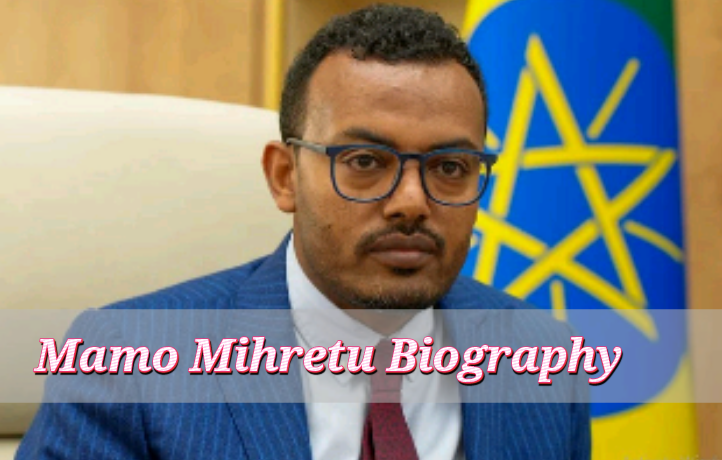
Mamo Mihretu Biography
Mamo Mihretu is a key figure in Ethiopia’s recent economic changes. He served as the governor of the National Bank of Ethiopia from January 2023 to September 2025. His work focused on major reforms like floating the local currency, the birr, and opening up the financial sector. These steps aimed to help Ethiopia grow and attract more foreign investment. Born in Ethiopia, Mamo built his career through education and roles in global organizations. He advised the prime minister and led a state investment company before taking the central bank job. This biography looks at his life story to show how one person’s efforts can shape a nation’s economy. Readers will learn about Ethiopia’s challenges, such as high inflation and limited foreign money, and how Mamo’s policies tried to fix them. His story teaches about leadership in tough times and the role of education in public service. By understanding his path, people can see the bigger picture of Africa’s economic future. Mamo’s journey started in a country rebuilding after political changes, and it led him to influence policies that affect millions. This article uses facts from reliable sources to give a clear, honest view. It avoids guesses and sticks to what happened, with dates to keep things accurate.
Ethiopia’s economy has faced issues like debt and trade limits for years. Mamo stepped in during a time when the government under Prime Minister Abiy Ahmed pushed for marketbased changes. His reforms in 2024, including the birr’s devaluation, sparked debates but also brought international support, like loans from the International Monetary Fund. This introduction sets the stage for exploring his early years, learning, and career. The goal is to educate on how personal choices link to national progress. Simple words make it easy to follow, whether you are a student or someone interested in global finance.
Mamo Mihretu Early Life
Mamo Mihretu grew up in Ethiopia during a period of big shifts. He was born on the country, most likely in Addis Ababa, the capital city. This was after the fall of the Derg regime in 1991, when Ethiopia moved toward more open policies. The nation was recovering from years of conflict and strict government control over the economy. Young Mamo saw firsthand the need for better systems to help people prosper. His family background is not widely shared in public records, but it shaped his focus on fairness and growth. As a child, he lived in a society where education was seen as a way out of poverty. Ethiopia in the 1990s and early 2000s worked on building schools and roads, but challenges like food shortages remained. Mamo’s early experiences likely taught him about resilience and the value of smart policies.
Details on his childhood are limited, as he keeps personal matters private. However, sources note he is a father of one, showing family is important to him. Growing up in Addis Ababa exposed him to diverse cultures and ideas. The city is a hub for politics and business in Africa. This environment may have sparked his interest in law and economics. Ethiopia’s history of ancient kingdoms and modern struggles influenced many like Mamo to aim for public service. He did not come from a famous family, but his drive led him to top schools. This section highlights how early life in a developing nation can inspire big dreams. It educates readers on Ethiopia’s context, where many face similar starts but few reach high positions. Mamo’s story shows that hard work and opportunity can bridge gaps.
Mamo Mihretu Education
Mamo Mihretu’s education laid the foundation for his career in policy and finance. He started with a Bachelor of Laws degree from Addis Ababa University. He graduated with honors, showing strong skills in legal studies. This school is Ethiopia’s oldest and trains many leaders. Next, he earned a diploma in international trade and investment from the University of Amsterdam. This added knowledge on global business rules. In 2009, he completed a Master of Public Administration in economic development and leadership at Harvard Kennedy School. Harvard is known for teaching future policymakers.
His qualifications include:
LLB from Addis Ababa University, with honors.
Diploma in International Trade and Investment from University of Amsterdam.
MPA in Economic Development and Leadership from Harvard Kennedy School, finished in 2009.
These steps built his expertise step by step. At Addis Ababa, he learned local laws. Amsterdam focused on world trade. Harvard taught how to lead in tough economies. This mix helped him understand both Ethiopian needs and global standards. Education like this is key for roles in government and international groups. It shows readers the importance of lifelong learning. Mamo’s path can inspire students to seek diverse studies. His time at Harvard connected him to networks that later aided his work. Overall, his schooling prepared him to tackle realworld problems like poverty and trade barriers.
Mamo Mihretu Personal Life
Mamo Mihretu keeps his personal life out of the spotlight. He is known as a family man, being a father of one child. Details about his spouse or daily routines are not public. This privacy helps him focus on work without distractions. As a leader, he balances highpressure jobs with family time. His Ethiopian roots influence his values, like community and hard work. Mamo speaks Amharic and English, useful in his global roles.
He enjoys reading on economics and policy, based on his career choices. Philanthropy is part of his life, though not detailed. He supports education and growth in Africa. Living in Addis Ababa most of his life, he knows the city’s vibrant culture. Personal influences include mentors from schools and jobs. This section educates on how leaders maintain balance. It shows that success comes from strong personal foundations. Mamo’s lowkey style avoids scandals and keeps attention on his achievements.
Mamo Mihretu Net Worth
Information on Mamo Mihretu’s net worth is not publicly available. As a public servant and former central bank governor, his income comes from salaries and official roles. Ethiopian officials do not often disclose personal finances. His positions at the World Bank, government advisory, and state companies suggest a comfortable life, but no exact figures exist. Searches show no reliable estimates, as he is not a business tycoon but a policymaker. This lack of data is common for such figures. Readers learn that net worth for public leaders focuses more on impact than money. Mamo’s wealth likely stems from professional earnings over 16 years in reforms and finance. Without speculation, we note his value lies in contributions to Ethiopia’s economy, not personal riches.
Mamo Mihretu Career
Mamo Mihretu’s career spans law, global development, and national leadership. He began after university, working in Ethiopian legal and policy areas. In 2010, he joined the World Bank as an operations officer in Nairobi, Kenya. There, he rose to senior project manager by 2018. His work covered finance, competitiveness, and logistics in East Africa. He led projects on publicprivate partnerships and economic growth.
In 2018, Mamo returned to Ethiopia as senior policy advisor to Prime Minister Abiy Ahmed. He also became chief trade negotiator. This role involved World Trade Organization talks and economic coordination. He helped shape policies for better trade and investment. From 2021 to 2023, he was founding CEO of Ethiopian Investment Holdings, the country’s sovereign wealth fund. EIH manages state assets and seeks foreign funds. Under him, it handled privatization in telecom and agriculture.
In January 2023, Mamo became the 10th governor of the National Bank of Ethiopia. He led reforms like the birr devaluation in July 2024, shifting to a floating exchange rate. This aimed to fix foreign exchange shortages and boost exports. He tightened monetary policy to fight inflation, which was over 30 percent. His team worked on debt restructuring and IMF loans. In 2024, Ethiopia got a 3.4 billion dollar IMF package, partly due to these changes. Mamo also pushed for financial opening, allowing foreign banks in.
He resigned on August 28, 2025, after completing key reforms. Speculation points to international roles, like at the African Development Bank. His career teaches about moving from local to global impact. It educates on Ethiopia’s shift to market economy. Mamo’s roles show how expertise drives change. He advised on macroeconomic committees and WTO accession. His World Bank time built skills in reforms. As CEO of EIH, he managed billions in assets. At NBE, he faced crises like war effects on economy. His leadership earned an A minus rating from Global Finance in 2025. This section details his path to inspire those in policy fields.
Mamo Mihretu Controversies
Mamo Mihretu’s work drew some criticism, mainly on economic reforms. In January 2023, his appointment as NBE governor faced pushback. Critics said he lacked deep monetary policy experience, coming from trade and investment backgrounds. Some parliament members questioned this during hearings.
The 2024 birr devaluation sparked debates. It led to higher prices for imports, hurting households amid inflation. Opposition figures blamed it for worsening living costs. In December 2023, MPs grilled him on forex management and bank policies. They worried about parallel markets and devaluation risks.
Some viewed him as too close to IMF and World Bank. Articles in September 2025 called him an “agent” for foreign interests, claiming reforms favored outsiders over locals. A US Embassy tribute after his resignation was seen as insulting by critics, implying endorsement of contested policies. One source in September 2025 said he opposed the IMF deal but was forced by the prime minister.
These issues highlight tensions in reforms. Critics feared quick changes could cause instability. Mamo defended them as needed for growth. This section educates on policy debates without bias. It uses facts from 2023 to 2025 to show real concerns.
Mamo Mihretu Legacy
Mamo Mihretu’s legacy centers on modernizing Ethiopia’s economy. His reforms opened doors for foreign investment and better trade. The birr float in 2024 helped secure IMF support, easing debt. As EIH CEO, he set up a fund to manage state wealth efficiently. His advisory role advanced WTO talks.
He earned praise for bold steps in tough times. Global Finance gave him an A minus in 2025 for leadership. Supporters see him as a reformer who shifted from state control to markets. His Harvard ties brought global ideas home. Legacy includes inspiring young Ethiopians in policy. Challenges like inflation test his changes, but they laid growth foundations. This educates on long term impacts of decisions.
Conclusion
Mamo Mihretu’s life shows how education and service shape nations. From Addis Ababa student to central bank leader, he tackled big issues. His career highlights Ethiopia’s push for progress. Readers gain insights into economic reforms and leadership. His story encourages pursuit of knowledge and public good. As Ethiopia continues changes, Mamo’s work remains influential.
FAQs
Who is Mamo Mihretu?
Mamo Mihretu is an Ethiopian lawyer who served as NBE governor from January 2023 to September 2025.
What is Mamo Mihretu’s education?
He has an LLB from Addis Ababa University, a diploma from University of Amsterdam, and an MPA from Harvard Kennedy School in 2009.
Why did Mamo Mihretu resign?
He resigned on August 28, 2025, after key reforms, possibly for new opportunities.
What reforms did Mamo Mihretu implement?
He led birr devaluation in 2024, floating exchange rate, and financial liberalization.
What is Mamo Mihretu’s next position?
Not confirmed, but speculation includes roles at African Development Bank.
How did Mamo Mihretu impact Ethiopia’s IMF relations?
His reforms helped secure a 3.4 billion dollar IMF loan in 2024.