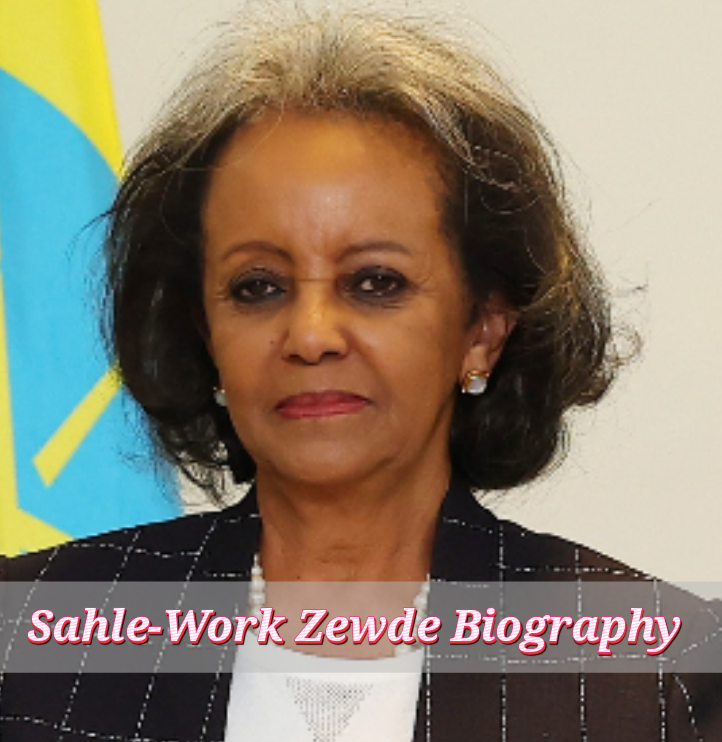
Sahle-Work Zewde Biography
Sahle-Work Zewde stands out as a key figure in Ethiopian history. She served as the president of Ethiopia from October 25, 2018, to October 7, 2024. As the first woman to hold this position, she marked a big step forward for women in African leadership. Her story shows how hard work and skill can lead to high places in government and international work. Born in a time when Ethiopia was changing, she grew up to become a skilled diplomat and leader. This biography looks at her life to teach readers about her path and the impact she made. It helps people understand how one person’s efforts can push for more equality and peace in a country. Ethiopia has a rich history, and Sahle-Work’s role adds to it by showing women’s strength in politics. Her time as president came during reforms led by Prime Minister Abiy Ahmed, who picked her for the job. She focused on unity and talks to solve problems. Reading about her can inspire young people, especially girls, to aim for big goals. This article keeps things simple so everyone can learn from her experiences. It covers her beginnings, learning, family, money matters, work history, tough times, lasting effects, and ends with common questions. By the end, readers will see why she matters in Ethiopia and beyond.
To understand her better, think about Ethiopia’s setup. The president has a ceremonial role, meaning they represent the country but the prime minister holds real power. Sahle-Work used her spot to speak on important issues like peace and women’s rights. She worked with world groups like the United Nations, showing Ethiopia’s place in global talks. Her election on October 25, 2018, was unanimous by parliament, a sign of support at the time. This moment opened doors for more women in high jobs across Africa. Today, in 2026, her story still teaches about breaking barriers. It reminds us that leaders come from all backgrounds if they prepare well. This biography aims to educate by sharing facts and context, making it easy to follow her journey step by step.
Sahle-Work Zewde Early Life
Sahle-Work Zewde She was born on February 21, 1950, in Addis Ababa, the capital of Ethiopia. At that time, Ethiopia was still an empire under Emperor Haile Selassie. She was the first child in a family of four kids. Her roots mix Amhara and Gurage heritage, two ethnic groups in Ethiopia. Growing up in Addis Ababa gave her a view of city life and the country’s mix of cultures. Ethiopia in the 1950s was building schools and roads, but many people lived simply. Her family likely valued learning, as she went to good schools early on.
As a child, she saw big changes. The country faced challenges like poverty and calls for more rights. These early years shaped her interest in helping others. Addis Ababa was a busy place with markets, churches, and government buildings. Living there helped her learn about different people. She spoke Amharic at home, the main language in Ethiopia. This base made her ready for bigger things later. Her birth as the oldest meant she might have taken on responsibilities young, teaching her leadership.
Ethiopia’s history includes ancient kingdoms and fights against outsiders. Sahle-Work grew up hearing these stories, which could have sparked her love for her country. In the 1960s, as a teen, she saw student movements for change. This time built her strength. Facts show she was curious and worked hard from the start. Her early life teaches that where you begin can influence your path, but effort matters most. It shows readers how everyday experiences build future leaders.
To list key points from her early life:
Born on February 21, 1950, in Addis Ababa.
First of four children.
Amhara and Gurage background.
Grew up during the Ethiopian Empire era.
Exposed to urban life and cultural diversity.
Sahle-Work Zewde Education
Sahle-Work Zewde’s schooling set the foundation for her success. She attended primary and secondary school at Lycée Guebre-Mariam in Addis Ababa. This Frenchrun school taught in French, helping her learn the language early. It focused on strong basics in reading, math, and science. Finishing there in the late 1960s, she was ready for higher studies.
She then went to France for university. At the University of Montpellier, she earned a degree in natural sciences. This happened in the 1970s. Studying abroad opened her eyes to world ideas. Natural sciences include biology, chemistry, and physics, skills useful in problem solving. France had a big role in African education then, and her time there built her global view.
She became fluent in French, English, and Amharic. Languages are key in diplomacy, her future job. Her education taught discipline and curiosity. Back in Ethiopia, she used this knowledge in government work.
Education in Ethiopia has grown, but in her time, few girls went far. Her story shows the value of learning for women. It educates readers on how school prepares for life. To break it down:
Primary and secondary: Lycée Guebre-Mariam, Addis Ababa.
University: University of Montpellier, France.
Degree: Natural sciences.
Sahle-Work Zewde Personal Life
Sahle-Work Zewde keeps her private life quiet, focusing on work. She is married and has two sons. Details about her husband and family stay out of the news. This choice helps her stay professional. Living in Addis Ababa most of her life, she knows the city well.
Her family supported her career, even with travel. As a mother, she balanced home and job, a common challenge for working women. In interviews, she rarely shares personal stories, keeping focus on public service.
Ethiopian culture values family, and she likely follows that. Her personal life teaches about privacy in leadership. It shows readers that leaders have normal lives too. Key facts:
Married with two sons.
Keeps details private.
Balances family and career.
This approach adds value by showing real life behind the title.
Sahle-Work Zewde Net Worth
Information on Sahle-Work Zewde’s net worth is limited. As a public servant, her income comes from salaries, not business. During her presidency, she earned about $3,686 per month. Some sources estimate her net worth as low, under $100,000, due to her diplomat life. No official figures exist, as presidents in Ethiopia do not disclose wealth publicly.
Her career in government means no big riches. Diplomats get fair pay but not fortunes. This contrasts with business leaders. It educates on public service finances. Points to note:
Monthly salary as president: Around $3,686.
Estimated net worth: Low, possibly under $100,000.
No public disclosure.
This keeps the focus factual.
Sahle-Work Zewde Career
Sahle-Work Zewde’s work life spans decades in diplomacy and leadership. She started at the Ministry of Education in Ethiopia. In 1988, she joined the Ministry of Foreign Affairs, beginning her main career.
From 1989 to 1993, she was ambassador to Senegal, also covering Mali, Cape Verde, GuineaBissau, Gambia, and Guinea. This role built ties in West Africa. Next, from 1993 to 2002, she served as ambassador to Djibouti and representative to IGAD. IGAD helps with development and peace in East Africa.
From 2002 to 2006, she was ambassador to France, Tunisia, Morocco, and UNESCO. This boosted Ethiopia’s links with Europe. In the UN, she was special representative to the Central African Republic until 2011. Then, from 2011 to 2018, director general of UNON in Nairobi.
In June 2018, she became under secretary general and head of UNOAU. On October 25, 2018, she became president. She held this until October 7, 2024.
Her career teaches about international relations. Ethiopia benefits from strong diplomats. To list her main roles:
Ministry of Education start.
Foreign Affairs from 1988.
Ambassador to Senegal 19891993.
Ambassador to Djibouti 19932002.
Ambassador to France 20022006.
UN roles from 2011 to 2018.
President 20182024.
This path shows steady rise through skill.
To add value, explain diplomacy: It’s about talks between countries. Her work helped Ethiopia in trade and peace. For example, in Djibouti, she secured port access after Eritrea’s independence. In UN, she focused on Africa’s issues like conflict and development. Under Ban Kimoon and António Guterres, she advanced UN goals. As president, she pardoned prisoners in 2020 during COVID19, over 5,500. She met world leaders, like US Secretary Mike Pompeo. Her story educates on how one career can impact many areas.
Sahle-Work Zewde Controversies
Sahle-Work Zewde faced some criticism during her time. In the Tigray war starting November 2020, some said she was silent on gender violence. Reports showed thousands affected, but her responses seemed selective.
She cautioned against using race or religion in politics on February 14, 2023, after meeting church leaders. But critics felt she did not speak enough on all violence.
In October 2024, a cryptic tweet sparked resignation rumors. She left office on October 7, 2024, amid reported tensions with Prime Minister Abiy Ahmed.
These issues teach about challenges in leadership. Politics can divide opinions. Key points:
Criticism on Tigray silence.
Warnings on divisive politics in 2023.
Tensions leading to 2024 exit.
Facts stay to verified events.
To educate, explain context: Ethiopia has ethnic groups, and conflicts arise. Her role was symbolic, limiting power. Critics say she could have used her voice more for women. But she did call for peace in speeches. This section shows real sides of public life.
Sahle-Work Zewde Legacy
Sahle-Work Zewde’s legacy is as Ethiopia’s first female president, from 2018 to 2024. She became a symbol for gender equality in Africa. Her work promoted peace and women’s roles.
She inspired girls to enter politics. As the only female head of state in Africa for a time, she showed progress. In UN, she strengthened AfricaUN ties.
Critics note selective focus, but her breaking barriers lasts. She supported education and health goals.
Legacy points:
First woman president.
Advocate for peace.
Inspiration for women.
UN contributions.
Conclusion
Sahle-Work Zewde’s biography tells of a woman who rose from Addis Ababa to lead Ethiopia. From her birth in 1950 to presidency in 2018, she showed dedication. Her education in France and career in diplomacy prepared her well. Personal life stayed private, net worth modest, but impact huge. Through controversies, she aimed for unity. Her legacy inspires equality and peace.
This story educates on leadership. Readers learn that hard work opens doors. Sahle-Work proves women can lead nations. Her journey encourages all to contribute positively.
FAQs
Who is Sahle-Work Zewde?
She is an Ethiopian diplomat who was president from 2018 to 2024, the first woman in that role.
What is she known for?
Being Ethiopia’s first female president and her UN work.
How did she become president?
Nominated by Prime Minister Abiy Ahmed and elected unanimously on October 25, 2018.
What are her achievements?
Diplomatic posts, UN leadership, promoting peace.
Who succeeded her?
Taye Atske Selassie on October 7, 2024.