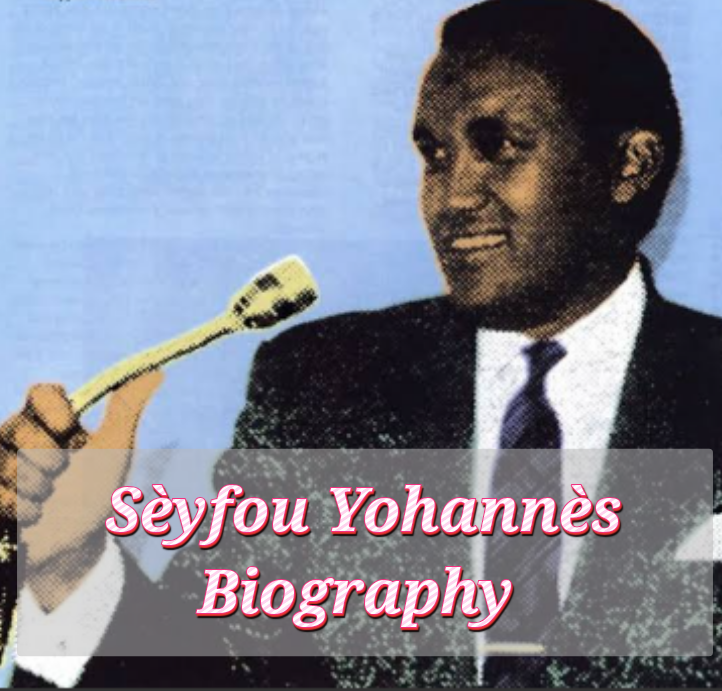
Sèyfou Yohannès Biography
Sèyfou Yohannès stands out as a key figure in Ethiopian music history. He brought soul and funk sounds to life in Ethiopia during the late 1960s and early 1970s. Often called the Ethiopian James Brown for his energetic style, he mixed Western rhythms with local Amharic traditions. Born in 1946, he lived a short life, passing away in 1972 at just 26 years old. His work helped shape what people now call the Golden Age of Ethiopian music, a time when new sounds bloomed in Addis Ababa.
Who is Sèyfou Yohannès? He was a singer who recorded only a handful of songs, yet those tracks captured hearts with their mix of joy and sadness. His voice carried the spirit of Tezeta, a style full of longing and memory in Amharic songs. Even though he left us early, his music lives on through compilations like Ethiopiques and samples in modern tracks. This article explores his story to help you understand his place in African soul music. We will look at his early days, his rise in bands, his hit songs, his private side, his sad end, and more. By the end, you will see why he remains a legend in Ethiopian funk and jazz scenes.
Ethiopian music in his time blended old traditions with new ideas from abroad. Emperor Haile Selassie ruled then, and Addis Ababa buzzed with nightclubs and bands. Sèyfou fit right in, pushing boundaries as part of the first independent groups. His story teaches us about creativity in tough times and how music can bridge cultures. Read on to learn the facts behind this soul pioneer.
Sèyfou Yohannès Early Life and Background
Sèyfou Yohannès came into the world in 1946 in Ethiopia, likely in the busy city of Addis Ababa. This was during the rule of Emperor Haile Selassie, a period when Ethiopia saw changes in culture and society. Music played a big role in daily life, with traditional sounds like Azmari songs filling the air. Young Sèyfou grew up in this setting, where family and community shaped his path.
He belonged to a family with music in their blood. His sister, Rahel Yohannes, also became a known singer in Ethiopia. Other siblings, such as Euel Yohannes and Merawi Yohannes, shared this talent. Growing up in such a home likely sparked his interest in singing from a young age. They lived in a time when radio brought Western music like soul from James Brown into Ethiopian homes. This mix influenced many young artists, including Sèyfou.
Little is known about his school days or early jobs, but the vibrant Addis Ababa music scene pulled him in. By the late 1960s, he started exploring bands. The city had places like hotels and clubs where musicians played. Sèyfou’s voice, full of emotion, fit the emerging soul funk style. His background in Amharic culture helped him blend local Tezeta feelings with funky beats. Tezeta means nostalgia, a key part of Ethiopian songs that express longing.
This early life set the stage for his short but bright career. It shows how family and place can guide someone to greatness in music. Understanding his roots helps us see why his songs feel so real and connected to Ethiopian life.
Sèyfou Yohannès Career
Sèyfou Yohannès began his music journey in the late 1960s by joining bands in Addis Ababa. He first sang with the Ras Band, a group that performed in local spots. This gave him a start in the growing Ethiopian pop scene. Soon, he moved to the Soul Ekos band in around 1969. Soul Ekos stood out as the first independent band recorded in Ethiopia, not tied to big institutions like the army or police. Amha Eshete managed them and helped produce their work.
With Soul Ekos, Sèyfou recorded his first songs on vinyl. They worked with labels like Amha Records, which pushed new sounds during Ethiopia’s Golden Age from 1969 to 1975. This era saw musicians mix jazz, funk, and traditional Amharic elements. Sèyfou’s style earned him the nickname Ethiopian James Brown, shared with singer Alèmayèhu Eshèté. His energetic vocals and stage presence made him popular in clubs.
He collaborated with composer Mulatu Astatke on tracks like Yekermo Sew and Meche Dereshe. These blends of soul and Ethio jazz showed his skill. By 1970 and 1971, he released singles that captured the funky spirit of the time. Though he recorded few songs, his work helped open doors for independent artists in Ethiopia.
His career highlights the shift in Ethiopian music toward global influences while keeping local roots. It educates us on how pioneers like him built the foundation for today’s Ethio jazz revival.
Sèyfou Yohannès Songs
Sèyfou Yohannès left behind a small but powerful collection of songs. He recorded around six to ten tracks between 1970 and 1972. These blend soul funk with Tezeta, creating music full of emotion. Here is a list of his known songs, with brief notes on each:
- Tezeta (Tizita): Released around 1970, this song captures nostalgia with slow, heartfelt vocals. It became famous and was sampled by rapper Common in his 2007 track The Game.
- Mela Mela: A funky tune from 1971, it shows Sèyfou’s energetic side, like James Brown’s style, with upbeat rhythms and Amharic lyrics about love.
- Meche Dereshe: From the late 1960s, this collaboration with Mulatu Astatke mixes jazz horns and soul singing. Mulatu later made an instrumental version after Sèyfou’s death.
- Yekermo Sew: Another team up with Mulatu Astatke in 1970, it features groovy beats and thoughtful words, highlighting Ethiopian funk.
- Ebo La (Ebolala): Recorded in 1971, this song has a smooth flow with traditional Tezeta feelings, making it a fan favorite.
- Birtukan Terengo Mesay: Around 1970, it tells a story with emotional depth, blending local poetry and Western soul.
- Qonjitye: A 1971 release, known for its beauty and simple melody.
- Hanna: From 1970, this track expresses personal longing with Sèyfou’s unique voice.
- Melewetesh Minew: Released in 1971, it adds to his nostalgic style.
- Hasabai: A lesser known but soulful piece from his short catalog.
These songs often appeared on vinyl singles from Amha Records. They use Amharic words to share stories of love, memory, and life. His musical style fused Western funk guitars and drums with Ethiopian scales, creating something fresh. Today, you can find them on compilations like Ethiopiques Volume 10, which helped bring his work to global listeners. Bands like Badume Band have revived songs like Tezeta in live shows.
Learning about these tracks shows how Sèyfou added value to African music by mixing cultures.
Sèyfou Yohannès Personal Life
Sèyfou Yohannès kept much of his personal life private, adding to his mysterious image. He came from a musical family in Addis Ababa. His sister Rahel Yohannes sang popular songs in the same era. Brothers Euel and Merawi also pursued music, making their home a hub for creativity.
Details on his relationships or daily routines are scarce. He lived in the lively Addis Ababa scene, performing in clubs and recording studios. Some stories suggest a reckless youth, but these lack firm proof. His focus stayed on music, with little known about hobbies or friends outside the band.
This quiet side contrasts his bold stage presence. It teaches us that artists often have simple lives behind their public art.
Sèyfou Yohannès Tragic Death
Sèyfou Yohannès died in 1972 at age 26, leaving many questions. Reports on his death differ. Some say he collapsed on stage from pneumonia in July 1972. Others point to a car accident. One account describes an injury from trying to break wood with his forehead during a tour in Nekempte, leading to delayed care at Ras Desta hospital. A theory mentions poisoned food, but no evidence supports it.
His early loss shocked the music community. It ended a promising career just as Ethiopian funk grew. This event reminds us of health challenges in 1970s Ethiopia.
Conclusion
Sèyfou Yohannès, though gone too soon, shaped Ethiopian soul funk forever. His songs from 1970 to 1972 mix global and local sounds, inspiring artists today. Compilations and samples keep his voice alive, showing music’s lasting power.
His story educates on creativity and culture. In answering who is Sèyfou Yohannès, we find a pioneer whose work bridges past and present. Explore his tracks to feel the Golden Age spirit.
FAQs
What genre did Sèyfou Yohannès perform?
He sang soul funk with Ethio jazz elements, blending Western rhythms and Amharic Tezeta.
How did Sèyfou Yohannès die?
He died in 1972 at 26; reports include pneumonia, car accident, or injury complications.
What are Sèyfou Yohannès’ best songs?
Top ones include Tezeta, Mela Mela, and Meche Dereshe, known for emotion and funk.
Who was Sèyfou Yohannès’ family?
He had singer siblings like sister Rahel Yohannes and brothers Euel and Merawi.
Was Sèyfou Yohannès part of a band?
Yes, he sang with Ras Band and then Soul Ekos, the first independent Ethiopian band.
Where can I listen to Sèyfou Yohannès’ music?
Check Ethiopiques compilations, YouTube, or streaming like Spotify for his tracks.
How does he compare to Alèmayèhu Eshèté?
Both earned the Ethiopian James Brown title for soulful, funky styles in the Golden Age.