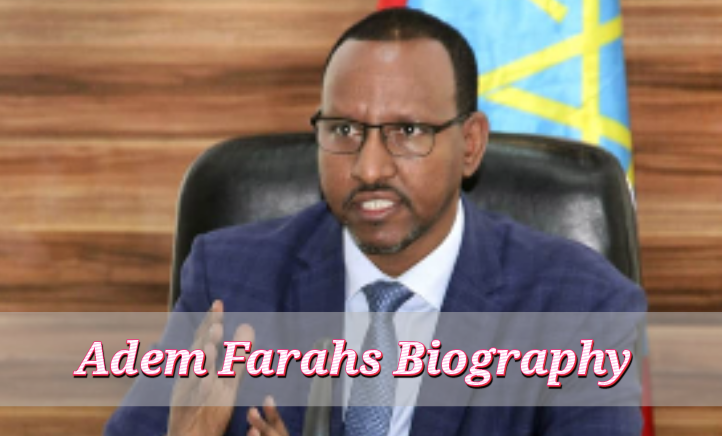
Adem Farahs Biography
Adem Farah stands out as a key figure in Ethiopias modern political scene. He comes from the Somali Region and has held important roles in government. Born in Ethiopia, he has focused on building unity and development in a country with many ethnic groups. His work helps strengthen federal systems and promotes green initiatives. As a leader in the Prosperity Party, he supports policies that aim to improve lives across the nation. This biography looks at his path from regional roles to national influence. Readers can learn how one persons efforts shape a countrys future. Adem Farah shows how dedication to public service can bring positive change.
Adem Farah entered politics during a time of big shifts in Ethiopia. In 2018, the country saw reforms under Prime Minister Abiy Ahmed. Farah became part of this change, moving from local jobs to highlevel positions. He served as Vice President of the Somali Region, then as Speaker of the House of Federation from 2020 to 2021. Now, he holds the role of Vice President of the Prosperity Party and Head of the Democracy Building Coordination Center, with the rank of Deputy Prime Minister since 2024. His story inspires many, especially those from underrepresented areas. It highlights the value of inclusive leadership in a diverse nation like Ethiopia.
In Ethiopias politics, the House of Federation plays a big part in handling ethnic rights and constitutional matters. Farah led this body during tough times, including regional disputes. His approach focused on dialogue and unity. Today, he pushes for sustainable growth, like planting trees to fight climate change. This makes him a symbol of progress. Understanding his life helps explain how Ethiopia works toward peace and prosperity. The following sections dive deeper into his background and contributions.
Adem Farahs Early Life
Adem Farah He was born on Ethiopias Somali Region, a place known for its vast lands and nomadic cultures. This area borders Somalia and Kenya, with people mainly from Somali ethnic groups. Life there involves herding animals and dealing with dry weather. Farah experienced these realities firsthand, which likely shaped his views on regional needs. Born around the 1960s, he came of age during the Derg regime, a period of military rule from 1974 to 1991. This era brought conflicts and changes, teaching many Ethiopians about resilience.
The Somali Region faces challenges like water shortages and border issues. Farah saw how these affect daily life. His family background remains private, but he represents the regions voice in national talks. As a child, he learned about community ties and the importance of fair governance. Ethiopias ethnic diversity means leaders like Farah bridge gaps between groups. His early years built a foundation for advocating regional autonomy within the federal system.
Growing up, Farah observed political shifts. The fall of the Derg in 1991 led to a new constitution in 1995, creating ethnicbased regions. This setup gave the Somali Region more say. Farahs experiences in this environment prepared him for roles that balance local and national interests. He embodies the story of many Ethiopians who rise from humble starts to influence policy. His journey reminds readers that backgrounds matter in leadership.
Adem Farahs Education
Details on Adem Farahs formal education are not widely shared in public records. Like many Ethiopian leaders, his learning likely combined school studies with practical experiences. In the Somali Region, access to schools can be limited due to remote areas. However, Farah pursued knowledge that helped his career in public service. He may have studied topics related to administration or construction, given his early job in that field.
Ethiopias education system emphasizes basic schooling followed by higher training. Farahs path suggests he gained skills through work and selfstudy. In the 1980s and 1990s, many young Ethiopians focused on vocational training amid political unrest. His role as head of the Construction Bureau in Dire Dawa shows expertise in building and planning. This city, near the Somali Region, offered chances for learning on the job.
Education in Ethiopia often includes cultural lessons. Farah learned about federalism and governance, key for his later positions. Though specific degrees are not listed, his success points to strong analytical skills. Readers can see how lifelong learning aids political growth. In a country building democracy, leaders like Farah use education to solve real problems.
Adem Farahs Personal Life
Adem Farah keeps his personal life away from public eyes. This choice is common among Ethiopian politicians who focus on work over private details. He hails from the Somali Region, where family and community bonds are strong. Information about his spouse or children is not available in official sources. Farah prioritizes his duties, leaving little room for media stories about home life.
In Ethiopian culture, leaders often draw strength from family values. Farahs background in a region with rich traditions likely influences his views on unity. He may enjoy simple activities like discussing politics with peers or supporting community events. His mentors include figures like Prime Minister Abiy Ahmed, who share visions for Ethiopias future. Personal influences help him stay grounded amid highpressure roles.
Balancing politics and personal time is tough. Farahs commitment shows in his speeches on national issues. Readers learn that effective leaders maintain privacy to avoid distractions. His story encourages respecting boundaries while appreciating public contributions.
Adem Farahs Net Worth
Adem Farahs net worth is not publicly known or verified. As a government official, his income comes from salaries and allowances. Ethiopian laws require leaders to declare assets, but details stay confidential. No reliable reports estimate his wealth, and he has no known private businesses. Speculation is avoided, as facts are key.
In politics, net worth often reflects public service pay. Farahs roles, like Deputy Prime Minister, provide standard earnings. Ethiopias focus on anticorruption means officials face scrutiny. Without data, discussions center on his contributions rather than finances. This approach keeps the biography factual.
Adem Farahs Career
Adem Farah began his career in public administration. He worked as head of the Construction Bureau in Dire Dawa City until 2018. This role involved planning buildings and infrastructure, skills useful for governance. Dire Dawa, a multicultural hub, gave him experience in managing diverse teams.
In 2018, the Somali Region Council appointed him as Vice President of the region. This came during reforms after unrest. Farah replaced earlier leaders, focusing on stability. He served until 2020, addressing local needs like water and security. His work helped integrate the region into national plans.
In 2020, Farah became Speaker of the House of Federation. Elected on October 5, 2020, he replaced Keria Ibrahim. The House handles ethnic rights and constitutional disputes. During his term until 2021, he promoted unity amid challenges like the Tigray conflict. Farah emphasized legal elections and peace talks.
After that, Farah joined the Prosperity Party as Vice President. Formed in 2019, the party unites ethnic groups under Prime Minister Abiy Ahmed. Farah leads coordination for democracy building. In April 2024, he gained the rank of Deputy Prime Minister while heading the Democracy Building Center.
His achievements include supporting the Green Legacy Initiative. Started in 2019, it planted over 32 billion trees by 2025. This fights climate change and boosts farms. Farah highlighted this at the World Governments Summit in 2025, noting Ethiopias population over 120 million benefits.
Farah also advanced health care. He restored nurse internships, deploying thousands. This improved hospitals and reduced waits. In education, he backed bursaries and water projects for schools.
In agriculture, he supported wheat production and corridor development. These efforts increased food security. Farah attended international events, like the AK Party Congress in 2025 and meetings with China in 2024, strengthening ties.
His career list includes:
Head of Construction Bureau, Dire Dawa, before 2018.
Vice President, Somali Region, 2018 to 2020.
Speaker, House of Federation, 2020 to 2021.
Vice President, Prosperity Party, from 2022.
Head of Democracy Building Coordination Center, with Deputy Prime Minister rank, from 2024.
Farahs path shows steady rise through dedication. He focuses on inclusive growth, making him a vital leader.
Adem Farahs Controversies
Adem Farah has faced debates in his roles. In 2020, as House Speaker, he warned against unconstitutional elections in Tigray. He said the federal government might take steps if needed. This tied to broader conflicts, drawing criticism for strong stances.
In 2022, the Prosperity Party dismissed over 2,500 officials for ethics issues. Farah announced this, aiming to clean up the party. Some saw it as internal purges, raising questions about fairness.
In the Somali Region, allegations of repression surfaced. Farah and others faced claims of limiting speech. These came from opposition groups, highlighting regional tensions.
In 2024, Farah responded to Somali Presidents comments on Ethiopia. He called them offensive, defending Ethiopias stance on border matters.
By 2025, the party disciplined 8,000 members for competence problems. Farah shared this to show commitment to standards, but it sparked talks on party unity.
These issues reflect Ethiopias complex politics. Farah navigates them with focus on law and reform.
Adem Farahs Legacy
Adem Farahs legacy centers on environmental and democratic efforts. He champions the Green Legacy Initiative, planting billions of trees since 2019. This combats drought and supports farms, fulfilling global climate goals.
His work in democracy building promotes fair systems. As Deputy Prime Minister, he coordinates policies for unity. Farahs speeches at summits highlight Ethiopias progress, inspiring Africa.
In health and agriculture, his initiatives improve lives. He pushes cleanliness campaigns and job creation, leaving a mark on sustainability.
Farahs rise from regional leader to national figure shows inclusive politics. Future generations may see him as a bridge builder in Ethiopias history.
Conclusion
Adem Farahs life tells a story of service and vision. From his roots in the Somali Region to leading national efforts, he contributes to Ethiopias growth. His focus on unity, green projects, and democracy offers lessons for all. As Ethiopia moves forward, leaders like Farah guide the way. This biography shows how one persons work impacts many. Explore more on Ethiopian politics to understand the bigger picture.
FAQs
Who is Adem Farah?
Adem Farah is an Ethiopian politician from the Somali Region. He served as Speaker of the House of Federation from 2020 to 2021 and now holds the rank of Deputy Prime Minister.
What is Adem Farahs role in Ethiopian politics?
He is Vice President of the Prosperity Party and Head of the Democracy Building Coordination Center, focusing on unity and development.
Where is Adem Farah from?
He hails from Ethiopias Somali Region.
What are Adem Farahs achievements?
He supports the Green Legacy, health improvements, and agricultural growth, planting over 32 billion trees since 2019.
What challenges has Adem Farah faced?
He dealt with regional disputes and party ethics issues, including disciplining members in 2022 and 2025.
What is Adem Farahs background?
He started in construction administration and rose through regional and national roles.