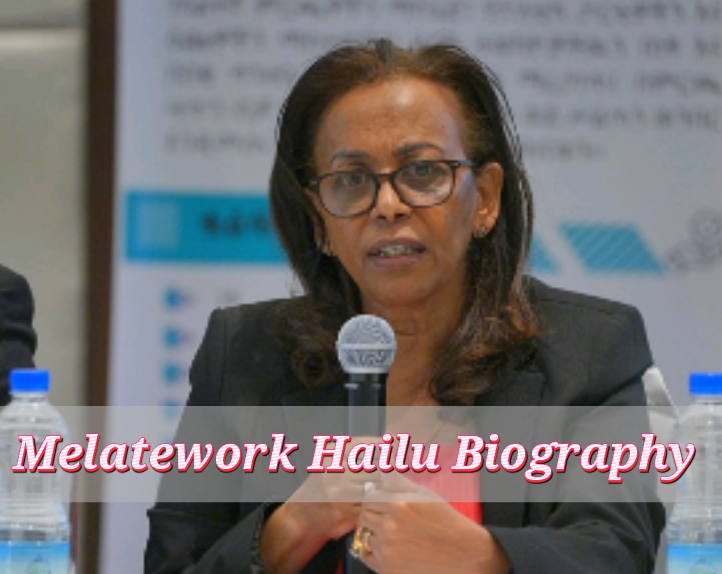
Melatework Hailu Biography
Melatework Hailu stands out as a key figure in Ethiopia’s push for better elections and democracy. She serves as the chairperson of the National Election Board of Ethiopia, known as NEBE. This role puts her at the center of organizing fair votes across the country. Her story shows how one person can move from writing news to leading big changes in government. Born in Ethiopia, she has built a career around public service, education, and policy work. As of December 19, 2023, when she took office, she has focused on making elections more open and trustworthy. This biography looks at her path, from her start in journalism to her current job. It aims to help readers understand her work and its effects on Ethiopia. By keeping things simple, we hope to make her story easy to follow. Ethiopia faces many challenges in holding free elections, like regional conflicts and party disputes. Melatework’s leadership comes at a time when the country prepares for its seventh general election in 2026. Her efforts include updating laws and using technology to improve voting. This makes her a pioneer in building stronger democratic systems. Readers will learn about her background, achievements, and the debates around her role. Overall, her biography highlights themes of hard work, learning, and service to the nation.
Melatework Hailu Early Life
Details about Melatework Hailu’s early years remain private, with little public information available. She was born in Ethiopia, and her Amharic name, which means “work of gold,” suggests a cultural tie to values like excellence and value. Growing up in a country with rich history and diverse groups likely shaped her views on unity and fairness. Ethiopia in the late 20th century saw political changes, including shifts from monarchy to socialism and then to a federal system. These events may have sparked her interest in public affairs. Without specific facts on her family or childhood town, we can note that many Ethiopian leaders from her generation faced economic hardships and focused on education as a way forward. Her path points to a strong foundation in learning and community involvement. As a woman in a society where gender roles can limit options, her rise shows determination. Public records do not mention her parents or siblings, respecting her choice to keep personal matters out of the spotlight. This privacy allows focus on her professional contributions. In Ethiopia, early education often happens in local schools, emphasizing basics like reading and math. Melatework likely excelled there, setting the stage for higher studies. Her story reminds us that leaders often start from humble beginnings, driven by a desire to improve society. By avoiding the public eye on her youth, she keeps attention on her work in elections and policy.
Melatework Hailu Education
Melatework Hailu’s education played a big role in her success. She earned a Master of Public Administration from the Harvard Kennedy School in the United States. This program, known as MC/MPA, trains leaders in policy and governance. She also became an Edward Mason Fellow, a honor for mid-career professionals from developing countries. This fellowship supports study at Harvard, focusing on skills like leadership and public service. At Harvard, students learn about global issues, economics, and ethics in government. Melatework’s time there likely helped her understand how to run fair elections and build strong institutions. Before Harvard, her early schooling in Ethiopia built a base in subjects like history and language. As a co-founder of New Generation University in Ethiopia, she showed commitment to education. This university offers degrees in fields like business and law, helping young Ethiopians gain knowledge. Her academic path reflects a blend of local and international learning. In Ethiopia, higher education has grown, but access remains a challenge for many. Melatework’s achievements inspire others, especially women, to pursue studies abroad. Her Harvard experience, completed before her NEBE role, equipped her with tools to handle complex tasks like election planning. Overall, her education underscores the value of lifelong learning in public leadership.
Melatework Hailu Personal Life
Melatework Hailu keeps her personal life away from public view, which is common for many officials in Ethiopia. No reliable sources detail her family, such as a husband or children. This choice allows her to focus on work without distractions. Living in Addis Ababa, the capital, she likely balances a busy schedule with quiet time. Ethiopian culture values family and community, so she may engage in traditions like coffee ceremonies or religious events. As a woman in a high position, she faces pressures that men might not, but she handles them with grace. Her dedication to privacy shows respect for boundaries between work and home. Without speculation, we can say her life centers on service to the country. This approach helps maintain trust in her role at NEBE, where impartiality matters. Readers can appreciate how she represents many Ethiopians who prioritize duty over personal fame.
Melatework Hailu Net Worth
Information on Melatework Hailu’s net worth is not publicly available. As a government official, her income comes from her salary as NEBE chairperson. In Ethiopia, such positions offer modest pay compared to private jobs, focusing on public service rather than wealth. Estimates are hard without official data, and speculation should be avoided. Her past roles in academia and consulting may have provided steady earnings, but no figures exist. Ethiopian laws require officials to declare assets to prevent corruption, but these are not shared widely. Her wealth likely stems from honest work over 30 years. This lack of info highlights transparency issues in some governments. For context, NEBE leaders earn enough for a comfortable life in Addis Ababa, covering housing and education. Without numbers, we emphasize her value in contributions, not money.
Melatework Hailu Career
Melatework Hailu’s career spans more than 30 years, starting in journalism and moving to leadership in elections. She began as a journalist, writing about politics and society in Ethiopia. This role taught her about public opinion and fair reporting. Later, she entered academia, co-founding New Generation University. There, she served as an academician, helping shape education policy. Her work focused on training future leaders. She then became a policy and legal consultant, advising on government matters for over 25 years. This involved roles in public and private sectors, building skills in management. In December 2023, Prime Minister Abiy Ahmed nominated her for NEBE chairperson after Birtukan Mideksa’s resignation. The House of People’s Representatives approved her on December 19, 2023. As chairperson, she oversees election preparations, including the 2026 vote in all regions, even Tigray. Her initiatives include revising laws like Proclamation No. 1394/2025 for better ethics. She promotes women’s participation and works with groups like NIMD and International IDEA. Melatework also leads mock debates to train parties. Her career shows a steady climb, from informing the public to ensuring democratic rights. In Ethiopia, where elections have faced doubts, her experience brings hope for improvement. She has met with international partners, like Canada’s ambassador, to discuss support. This global view helps modernize NEBE with technology for credible votes. Her path inspires young professionals to mix fields like media and policy for impact.
To outline her key milestones in a list:
Started career in journalism, covering Ethiopian issues.
Became an academician and co-founded New Generation University.
Worked as policy expert and consultant for 25-plus years.
Appointed NEBE chairperson on December 19, 2023.
Led reforms for 2026 elections, including risk management training.
Collaborated on women’s roles in politics, as seen in April 2025 events.
This list shows her growth step by step.
Melatework Hailu Controversies
Melatework Hailu’s time at NEBE has drawn some criticisms, mainly from opposition parties. As of November 29, 2025, groups accused NEBE of unilateral preparations for the 2026 election, limiting their input. They claimed this reduces fairness. Regional issues, like in Tigray, add challenges, with debates on inclusive voting. Some question her ties to the government, since Prime Minister Abiy Ahmed nominated her. Critics say this might bias decisions. In February 2025, NEBE proposed banning direct salary deductions for party fees, seen by some as targeting opposition funding. Media ethics concerns from her journalism past sometimes arise, but no specific scandals link to her. These issues reflect broader Ethiopian politics, where trust in institutions varies. Melatework responds by briefing reporters and pushing reforms. No major personal controversies exist; focus stays on policy disputes. This shows the tough balance in leading elections amid tensions.
Melatework Hailu Legacy
Melatework Hailu’s legacy is building as she shapes Ethiopia’s democracy. Appointed in 2023, she has advanced electoral reforms, like updating proclamations for better ethics. Her work on women’s political roles, through events in April 2025, promotes equality. By preparing for inclusive 2026 elections, she aims to strengthen trust in voting. As a Harvard-educated leader, she brings global standards to local systems. Her co-founding of New Generation University leaves a mark on education. In lists of influential Ethiopians in 2025, she ranks for electoral integrity efforts. Future impacts may include more transparent polls, inspiring women in Africa. Her story encourages ethical public service.
Conclusion
Melatework Hailu’s journey from journalist to NEBE chairperson highlights dedication to Ethiopia’s growth. Her education and career equip her to tackle election challenges. While controversies exist, her reforms aim for fairness. Her legacy grows with each step toward stronger democracy. This biography shows how one leader can influence a nation.
FAQs
Who is Melatework Hailu?
She is the chairperson of NEBE, a journalist and politician with over 30 years of experience.
What is her education?
She holds an MC/MPA from Harvard Kennedy School and is an Edward Mason Fellow.
How did she become NEBE chairperson?
Nominated by PM Abiy Ahmed and approved by parliament on December 19, 2023.
What are her achievements?
Leading election reforms, promoting women’s roles, and preparing for 2026 votes.
What challenges does she face?
Opposition criticisms on preparations and regional inclusivity.