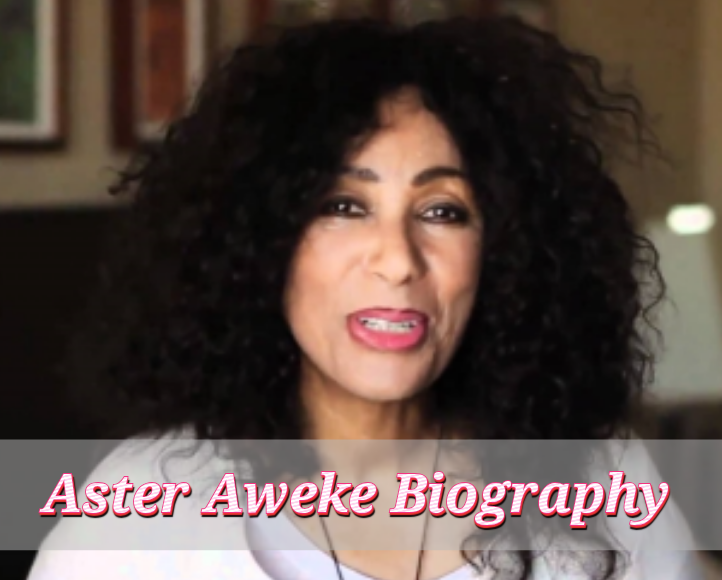
Aster Aweke Biography
Aster Aweke stands out as a key figure in Ethiopian music. She has earned fame for her strong voice and songs that mix old Ethiopian styles with new sounds. Many people call her the Aretha Franklin of Ethiopia because her singing carries deep feeling, much like the famous American soul artist. Born in the late 1950s, Aster grew up in a time of change in Ethiopia. Her music tells stories of love, home, and strength. This has made her popular not just in Ethiopia but around the world.
Her path started in a small town and led to big stages. In 1997, when she went back to Ethiopia after many years away, thousands of fans welcomed her like a hero. This showed how much her music means to people. Aster sings mostly in Amharic, the main language in Ethiopia. Her songs use traditional scales, which are sets of notes common in Ethiopian folk music. She adds touches of jazz and pop, creating a fresh sound that appeals to many listeners.
Why learn about Aster Aweke? Her story teaches about Ethiopian culture and how music can connect people across borders. In a world where African music gains more attention, Aster helps show the rich sounds from Ethiopia. Think of artists like Miriam Makeba from South Africa or Angelique Kidjo from Benin. Aster fits in that group, bringing Ethiopian flavors to global ears. Her work also highlights women’s roles in music, especially in places where it was hard for them to succeed.
Aster’s influence goes beyond songs. She has inspired younger Ethiopian artists, such as Teddy Afro and Gigi. They build on her style of blending old and new. For example, Ethio-jazz, a mix of Ethiopian tunes and jazz, owes much to pioneers like her. In the 1970s, Ethiopia had a lively music scene in Addis Ababa, with bands playing in clubs. Aster was part of that before she left the country.
Today, with streaming services, her music reaches new fans. Platforms like Spotify and YouTube let people hear hits from her albums. This article will cover her early days, career steps, key songs, personal side, and more. By the end, you will understand why Aster Aweke remains an icon in African music. Her legacy proves that talent and hard work can overcome challenges, like leaving home due to tough times.
This introduction sets the stage for a closer look at her life. We will use simple words to make it easy to follow. Facts come from reliable sources, like biographies from 1990 to recent years. Now, let’s explore where it all began.
Aster Aweke Early Life and Background
Aster Aweke was born in 1959 in Gondar, a historic town in northern Ethiopia. Gondar is known for its old castles and rich culture. It sits in the Amhara region, where traditional music thrives. As a child, Aster moved to Addis Ababa, the capital city, with her family. Her father worked as a high-level government official under Emperor Haile Selassie. This job meant the family lived in a stable home, but Ethiopia faced big changes during her youth.
In the 1960s and 1970s, Addis Ababa buzzed with music. People listened to artists like Tilahun Gessesse, who sang in Amharic with emotional power. Aster heard these sounds at home and in the streets. She loved music from a young age. By 13, she knew she wanted to sing for a living. But her family did not like the idea at first. They saw music as unstable, especially for girls. In Ethiopia back then, women faced limits in public roles. Yet Aster pushed on.
She started performing in local theaters. One key spot was Hager Fikir Theatre in Addis Ababa. This place hosted plays and songs that celebrated Ethiopian stories. Aster learned to use her voice there. Her style drew from azmari singers, who are traditional Ethiopian performers. They play instruments like the masenqo and tell tales through music. Aster mixed this with modern ideas she heard on radio.
The 1970s brought trouble to Ethiopia. In 1974, a revolution ended the emperor’s rule. The new government, called the Derg, made life hard. Many artists left the country. Aster felt this pressure. Her background in a government family might have added risks. But music gave her hope. By her late teens, she sang in clubs around Addis Ababa. Places like these were full of energy, with bands playing Ethio-jazz. This genre combines Ethiopian notes with Western jazz horns and beats.
Aster’s early experiences shaped her. Growing up in Gondar and Addis Ababa exposed her to diverse sounds. Amharic folk tunes, church chants, and city pop all influenced her. She learned to sing with passion, hitting high notes that touch hearts. This foundation helped when she faced bigger challenges later. Her story shows how place and time affect an artist’s growth. For young readers, it teaches that following dreams takes courage, even against family wishes.
In simple terms, Aster’s start was humble but full of potential. She turned local roots into a global voice. Next, we look at how her career took off.
Aster Aweke Career
Aster Aweke’s career began in earnest during her teenage years in Addis Ababa. In the late 1970s, she joined bands and performed in nightclubs. One early group was the Shebele Band, where she recorded her first singles in 1977. These tracks helped her gain fans in Ethiopia. She also worked with the Roha Band and others. A music entrepreneur named Ali Tango supported her. He helped release five cassettes and two singles by 1981. Cassettes were popular in Ethiopia then, as they were cheap and easy to share.
But political issues forced change. In 1981, Aster left Ethiopia amid unrest under the Derg regime. She moved to the United States and settled in Washington, D.C. This city had a growing Ethiopian community. Aster sang in local restaurants and events for fellow immigrants. These shows kept her skills sharp and built a new audience.
In 1985, she toured Europe and the U.S. This exposure led to bigger chances. By 1989, she signed with Columbia Records, a major label. Her debut album, Aster, came out in 1990. It mixed soul, jazz, and Ethiopian elements. Critics praised her voice for its power and emotion. In 1991, Kabu followed and reached number 4 on Billboard’s World Music chart. This success made her known outside Ethiopian circles.
The 1990s brought more milestones. In 1997, Aster returned to Ethiopia for the first time in 16 years. Fans greeted her at the airport in large numbers. She performed concerts that celebrated her homecoming. Her album Hagere, released in 1999, captured this spirit. It means “my country” in Amharic and reflected her love for Ethiopia.
Into the 2000s, Aster kept creating. Sugar appeared in 2001, followed by Aster’s Ballads in 2004. These showed her skill in slower, heartfelt songs. Fikir, from 2006, means “love” and included romantic tracks. In 2010, Checheho came out, blending old and new styles. She continued with Ewedihalehu in 2013 and Chewa in 2019.
Aster performed at events like a New Year’s concert in D.C. in 2010. Her live shows highlight her vocal range. She has toured worldwide, sharing Ethiopian music. Media outlets like The Washington Post in 1990 and Christian Science Monitor in 1990 featured her. They noted her ability to sing in a universal way, even in Amharic.
Her career teaches about resilience. Leaving home was tough, but she adapted. She pioneered “Ethiopi-pop,” a fusion that opened doors for others. Aster’s work preserves Ethiopian heritage while reaching new ears. For example, her use of pentatonic scales, five-note patterns in Ethiopian music, adds unique flavor.
In summary, from local stages to global fame, Aster’s path inspires. She overcame barriers as a woman and immigrant artist.
Aster Aweke Discography and Popular Songs
Aster Aweke has released many albums over her career. These works show her growth as an artist. She started with cassettes in Ethiopia in the late 1970s and early 1980s. After moving to the U.S., she made full albums with better production.
Here is a list of her main albums:
- Aster, released in 1990 on Columbia Records. This was her first big U.S. album.
- Kabu, released in 1991. It climbed charts and boosted her fame.
- Hagere, released in 1999 on Kabu Records. This album honors her homeland.
- Sugar, released in 2001.
- Aster’s Ballads, released in 2004. Focuses on slow, emotional tracks.
- Fikir, released in 2006. Explores themes of love.
- Checheho, released in 2010.
- Ewedihalehu, released in 2013.
- Chewa, released in 2019.
She also has compilations and live recordings, like Live in London from 2000.
Now, for popular songs. Aster’s hits often deal with love, longing, and joy. They use Amharic lyrics with catchy melodies.
Here is a list of some top songs:
- Tizita (Memories), from her early works. This song recalls past times with sad beauty. Tizita is a classic Ethiopian style of nostalgic music.
- Y’Shebellu, known for its upbeat rhythm. It gets people dancing.
- Tiwsta, from Chewa in 2019. A lively track with modern beats.
- Chewa, the title track from 2019. It blends folk and pop.
- Ewedihalehu, from 2013. Means “I love you” and is a romantic favorite.
- Nafkot, from Chewa. Speaks of yearning.
- Munaye Munaye, from Aster’s Ballads. A ballad about deep emotions.
- Besebara, another slow one from Ballads.
- Sebebu (My Excuse), from 1990 album.
These songs highlight her voice’s range. For instance, in Tizita, she uses long notes to build feeling. Many have millions of views on YouTube. Her music educates on Ethiopian traditions while entertaining.
Aster Aweke Personal Life
Details about Aster Aweke’s personal life stay private. She focuses more on music than sharing family stories. Born in 1959, she grew up with parents who valued education and work. Her father held a senior role in government, which shaped a disciplined home. Family did not support her music choice at first, seeing it as risky.
Aster lives between the U.S. and Ethiopia now. She has a home in Washington, D.C., where she settled in 1981. Little is known about marriage or children. Some sources hint she has a daughter, but she keeps this out of the spotlight. Her life centers on creating music and connecting with fans.
She supports Ethiopian causes quietly. For example, her songs often promote cultural pride. In interviews from 1990, she spoke of missing home but finding strength in music. Aster’s story shows balance between career and privacy.
Conclusion
Aster Aweke’s journey inspires many. From Gondar to global stages, she built a legacy in Ethiopian music. Her voice, full of soul, bridges cultures. Albums like Kabu and Fikir show her talent for fusion sounds. She faced challenges like exile but kept singing.
Today, at age 67 in 2026, Aster remains active. Her work influences new artists and preserves traditions. Listeners learn about Ethiopia through her songs. In a fast world, her music reminds us of roots and resilience.
Aster proves music can heal and unite. Her story encourages chasing dreams with heart.
FAQs
How old is Aster Aweke?
She was born in 1959, making her 67 years old as of 2026.
Where is Aster Aweke from?
She was born in Gondar, Ethiopia, and raised in Addis Ababa.
What are Aster Aweke’s most popular songs?
Hits include Tizita, Ewedihalehu, and Tiwsta.
What genre does Aster Aweke sing?
She sings Ethiopian pop, Ethio-jazz, and soul fusion.
What is Aster Aweke’s net worth?
Estimates range from 1 to 5 million dollars, based on her career, but exact figures are not public.
Is Aster Aweke married?
Public info is limited; she keeps personal life private.
How can I listen to her music?
Check Spotify, Apple Music, or YouTube for her albums.
What makes her unique?
Her blend of traditional Ethiopian scales with modern styles sets her apart.