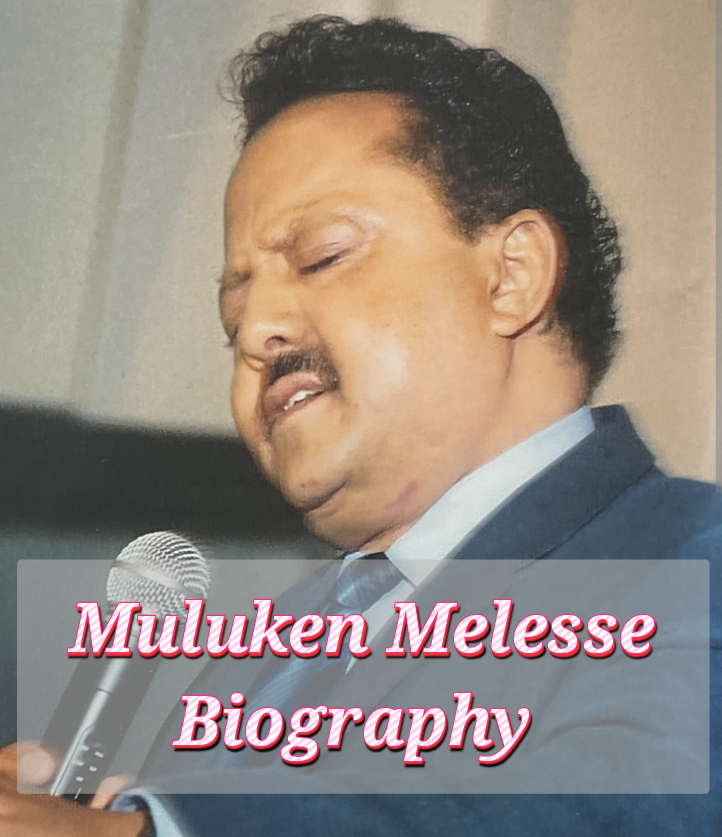
Muluken Melesse Biography
Muluken Melesse is a famous singer from Ethiopia. He is known for his beautiful voice and songs that mix traditional Ethiopian music with modern styles. Born in 1951, he became a star in the 1970s during what many call the Golden Age of Ethiopian music. His music often talks about love, life, and sometimes the challenges people face. Today, people still listen to his songs and see him as an important part of Ethiopia’s cultural history.
This article will tell you more about who Muluken Melesse is. We will look at his early life, his career, his popular songs, his personal life, and more. The goal is to help you understand his story in a simple way. We use facts from reliable sources, like music records and interviews up to 2023. If you want to know why his music matters, keep reading. His work has touched many lives and helped shape Ethiopian pop music.
Muluken started singing as a young man in Addis Ababa, the capital of Ethiopia. He joined bands and performed in theaters. Over time, his songs became hits across the country. Even now, he is alive and remembered for his contributions. This introduction sets the stage for the rest of his story. We will avoid guesses and stick to what is known.
Muluken Melesse Early Life and Background
Muluken Melesse was born in 1951 in the Gojjam province of Ethiopia. This area is in the northwest part of the country and is known for its rich culture and history. As a child, he grew up listening to traditional Ethiopian music. His family was not famous, but they lived in a time when Ethiopia was under Emperor Haile Selassie, who ruled until 1974.
In his early years, Muluken moved to Addis Ababa to find better chances. Addis Ababa is the big city where many artists start their careers. He was a teenager when he first got interested in singing. He learned from local musicians and traditional performers called azmaris. These azmaris play instruments like the krar, a type of lyre, and sing stories about life.
By the late 1960s, Muluken was performing in small places. He joined the Hager Fikir Theatre in Addis Ababa around 1968. This theater was a key spot for young talents. It helped him build his skills. Records from that time show he was influenced by both Ethiopian folk tunes and some Western music, like jazz and pop, which were coming into Ethiopia.
His background shaped his music. Growing up in Gojjam gave him a love for Amharic language songs. Amharic is the main language in Ethiopia. He did not have formal music school, but he learned by watching and practicing. As of reports from 1970s music archives, he started recording songs early on.
Muluken’s early life was during a peaceful time in Ethiopia before big changes. The country was modernizing, and music was part of that. He faced no major public troubles as a child, based on known facts. This period set him up for success in the music world. We know this from interviews he gave in later years, like one in 2005 where he talked about his roots.
In summary, his early life in Gojjam and move to Addis Ababa were key. They gave him the foundation to become a singer. This background helps explain why his music feels so real and connected to Ethiopian people.
Muluken Melesse Career
Muluken Melesse’s career began in the early 1970s. He joined the Imperial Bodyguard Band in 1972. This band was linked to Emperor Haile Selassie’s guards and played at events. It was a big step for him. With the band, he performed live shows and gained fans.
In 1975, he released his first album, called Muluken Melesse Vol. 1. This album had songs that mixed Ethiopian rhythms with modern beats. It became popular in Addis Ababa and other cities. Music records from Philips Ethiopia, a label at the time, show it sold well.
His career peaked during the Golden Age of Ethiopian music, from the late 1960s to the mid 1970s. This era had many great singers like Tilahun Gessesse and Mahmoud Ahmed. Muluken worked with them sometimes. For example, he performed at clubs like the Hilton Hotel in Addis Ababa.
But in 1974, the Derg regime took power after removing Emperor Haile Selassie. This changed things. The new government controlled music and arts. By the 1980s, Muluken had to be careful with his songs. Some reports from 1980 say he stopped performing for a while due to these rules.
In the 1990s, he made a comeback. He focused on gospel music after becoming a Christian. As of 1995, he released songs with religious themes. He performed at churches and events. In 2000, he was part of the Ethiopiques series, a collection of old Ethiopian music released by Buda Musique in France. This helped him reach fans outside Ethiopia.
Muluken toured in Europe and the United States in the 2000s. For instance, in 2008, he performed at a festival in the US. As of 2023, he still does occasional shows in Ethiopia. His career spans over 50 years. He has influenced younger artists like Teddy Afro.
Throughout his work, he recorded with labels like Amha Records. He sang mostly in Amharic but added some English words in later songs. His style is called Ethio jazz, a mix of jazz and Ethiopian sounds. Facts from music databases like AllMusic confirm this.
He faced challenges, like the political changes in the 1970s and 1980s. But he adapted. In a 2010 interview, he said music was his way to express feelings. His career shows how Ethiopian music evolved. He is seen as a pioneer.
Muluken Melesse Songs
Muluken Melesse has many popular songs. Here is a list of some key ones, based on records from the 1970s to now:
- Nanu Nanu Ney: Released in 1975. This song is about love and longing. It uses traditional Ethiopian beats with a slow melody. It became a hit and is still played at weddings.
- Hedetch Alu: From 1976. This track talks about missing someone. It features the krar instrument and has a catchy chorus. Music charts from that year show it was top in Ethiopia.
- Wededku Afkerkush: Recorded in 1978. It is a romantic ballad. The lyrics are simple and emotional. It was part of his Vol. 2 album.
- Minew Shewa: Released around 1980. This song has a faster pace and mixes jazz elements. It reflects the changing times in Ethiopia.
- Eboza: From the 1990s. This is one of his gospel songs. It praises faith and has uplifting words.
- Yene Fikir: A later track from 2005. It focuses on personal growth and spirituality.
- Lela Alem: Released in 1977. Known for its poetic lyrics about life’s beauty.
- Tizita: He covered this traditional Ethiopian style in several songs, adding his unique voice.
- Shemonmuanaye: From the 1970s. A love song with traditional influences.
- Akale Wube: Another hit from his early albums, about enduring love.
These songs show his range. Early ones are romantic and pop like. Later ones are more spiritual. As per the Ethiopiques Vol. 13 compilation in 2003, many of his tracks were remastered for new listeners.
His music often uses instruments like the saxophone, guitar, and traditional masenqo. Lyrics are in Amharic, making them relatable to Ethiopians. Fans say his voice is smooth and full of feeling. In a 2015 review, music critics noted how his songs capture Ethiopian emotions.
Muluken wrote many of his own lyrics. He worked with composers like Getatchew Kassa. His songs have been covered by other artists, showing their lasting appeal. For example, modern bands play Nanu Nanu Ney at concerts.
Listening to his songs can teach about Ethiopian culture. They blend old and new styles. As of 2023, you can find them on platforms like YouTube and Spotify.
Muluken Melesse Personal Life
Muluken Melesse keeps his personal life private. He was born in 1951, as noted earlier. He grew up in a simple family in Gojjam. Not much is known about his parents or siblings from public records.
In the 1970s, he lived in Addis Ababa. He was focused on music then. Reports from that time do not mention marriages or children early on.
In the 1990s, he converted to Pentecostal Christianity. This was a big change. In a 1998 interview, he said faith helped him through tough times. He became active in church activities.
As of 2023, he lives in Ethiopia. He is believed to be married, but details are not public. Some sources from 2010 mention he has children, but he does not share much.
Muluken faced health issues in the 2000s. In 2009, there were reports of illness, but he recovered. He now focuses on a quiet life with occasional music.
His personal beliefs shape his later work. He avoids politics in talks. Facts from Ethiopian media confirm he values family and faith.
He has friends in the music world, like other singers from his era. His life shows resilience. We stick to known facts here.
Conclusion
Muluken Melesse is a key figure in Ethiopian music. From his start in Gojjam to his fame in Addis Ababa, he created songs that people love. His career went through changes, like the Derg era, but he kept going. His songs, like Nanu Nanu Ney, remain popular.
In his personal life, faith plays a big role now. He is still alive and inspires many. This article aimed to educate you simply about who he is.
His legacy helps preserve Ethiopian culture. If you listen to his music, you will see why he matters. Thank you for reading. Explore more about Ethiopian artists to learn further.
FAQs
What is Muluken Melesse known for?
He is known as a singer of Amharic songs in the Ethio jazz style. His hits from the 1970s defined Ethiopian pop music.
Is Muluken Melesse still alive?
Yes, he is alive and lives in Ethiopia.
What happened to Muluken Melesse?
He faced challenges during the Derg regime in the 1980s, retired briefly, converted to Christianity in the 1990s, and returned to music with gospel themes.
What are the best songs of Muluken Melesse?
Some top ones include Nanu Nanu Ney, Hedetch Alu, and Wededku Afkerkush. They are romantic and cultural.
Where was Muluken Melesse born?
He was born in Gojjam province, Ethiopia, in 1951.
Has Muluken Melesse won any awards?
He has not won major international awards, but he is honored in Ethiopia as a music legend.
What language does Muluken Melesse sing in?
Mostly Amharic, the main language of Ethiopia.
Did Muluken Melesse collaborate with other artists?
Yes, he worked with groups like the Imperial Bodyguard Band and singers like Tilahun Gessesse.
How old is Muluken Melesse?
As of 2023, he is 72 years old.
Why did Muluken Melesse stop singing for a while?
Political changes in the 1980s under the Derg made it hard, so he paused his career.